Simmer Ingredients at Your Own Pace
Hot Pot in Tyler for groups wanting shared broth-based cooking distinct from grilling
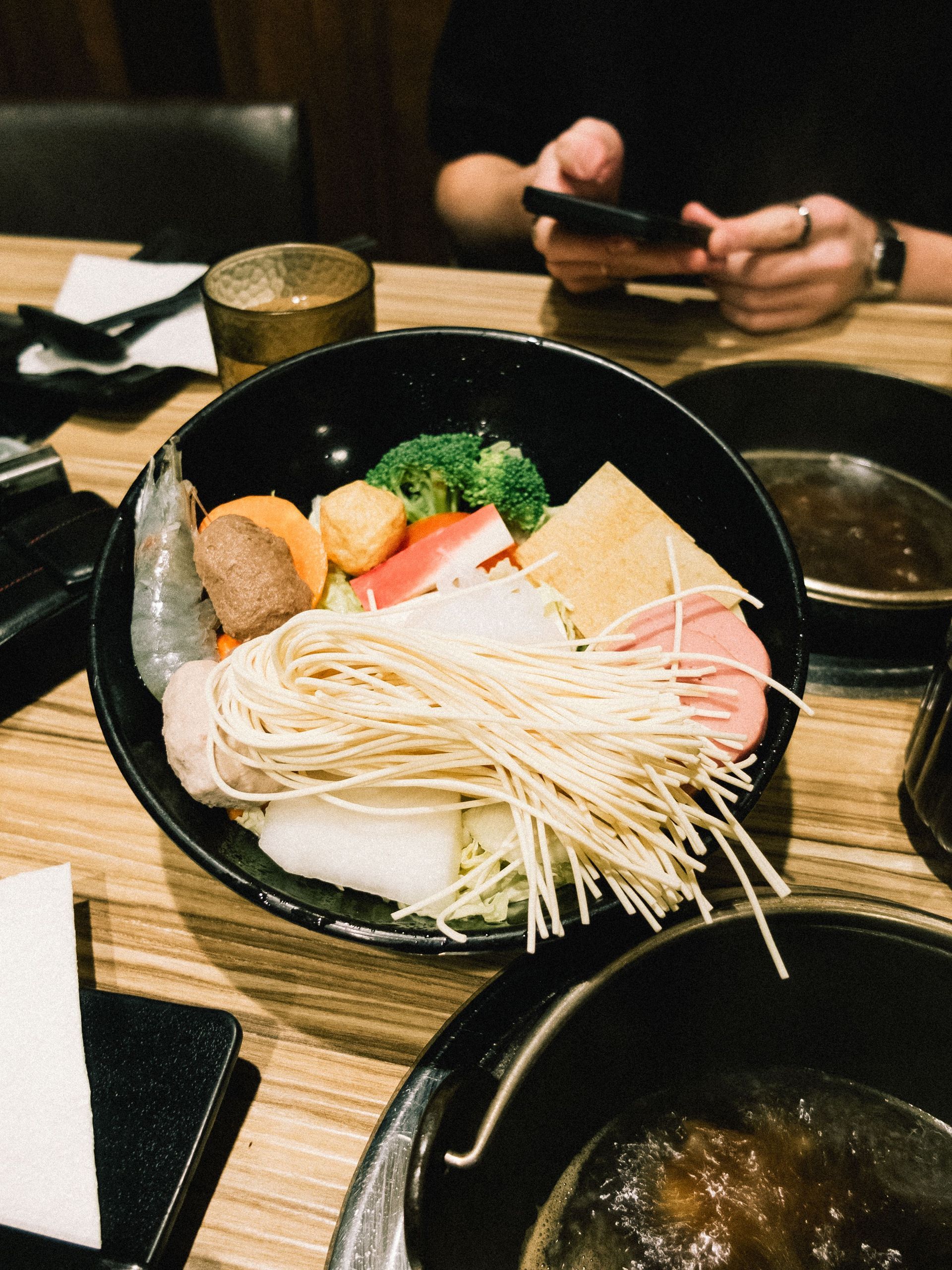
Hot pot shifts the cooking method from dry heat on a grill to simmering ingredients in seasoned broth, which changes the flavor profile and the way food is managed at the table. At 88 Korean BBQ & Sushi in Tyler, hot pot operates alongside Korean BBQ and sushi, giving diners another interactive option that involves adding raw proteins, vegetables, and noodles to a pot of heated liquid and waiting for them to cook through. The method appeals to groups that want variety within the same visit or prefer boiled textures over charred ones, and it introduces a different rhythm since ingredients cook at different rates depending on thickness and density.
The process requires attention to timing—thin-sliced meats cook in seconds, while denser vegetables need several minutes, and noodles absorb liquid as they soften. Diners manage the pot by adding items in stages, retrieving cooked pieces with a strainer or ladle, and adjusting the heat to prevent aggressive boiling that toughens proteins. This creates a collaborative dynamic similar to grilling, where table members coordinate what goes into the pot and when, but the gentler cooking method produces different textures and allows broths to develop layered flavors as ingredients release their fats and starches.
Reserve a table to try hot pot during your next group meal and explore how it compares to the restaurant's grilling options.
Hot pot cooking produces softer, more tender results than grilling, since the liquid environment prevents drying and allows proteins to retain moisture throughout the cooking process. The broth itself becomes part of the meal, often consumed as a soup after the ingredients have finished cooking, which adds another course that grilling does not provide. This makes hot pot particularly satisfying during cooler months or for diners who find grilled meats too rich or heavy for an extended meal.
Once ingredients finish simmering, guests retrieve them from the pot and pair them with dipping sauces or eat them directly, depending on preference. The broth accumulates flavors from everything cooked in it, so the final soup often carries more complexity than the starting liquid. Groups notice that hot pot meals tend to last longer than grill-only visits, since the cooking process is slower and the variety of ingredients encourages incremental additions rather than bulk ordering.
Hot pot also accommodates diners avoiding direct flame contact with food, whether for texture preference or dietary reasons, and it allows more precise control over doneness since items can be removed individually rather than managing an entire grill surface. The method suits parties that prefer a less smoky, more broth-forward meal while still engaging in hands-on cooking.
Hot Pot Questions Guests Frequently Ask
These questions address how hot pot works at the table and what to expect when ordering it alongside other menu categories.
How does hot pot cooking differ from Korean BBQ at the table?
Hot pot uses simmering broth to cook ingredients gently, producing tender textures and developing flavored liquid as items cook, while Korean BBQ grills food over direct heat, creating charred surfaces and rendering fat without adding moisture.
Can you order hot pot and grill meats during the same visit in Tyler?
Yes, the all-you-can-eat format allows you to alternate between both methods, so your table can manage a grill and a hot pot simultaneously or switch between them across different rounds of the meal.
What controls the cooking speed in the hot pot?
The heat setting beneath the pot and the thickness of the ingredients determine how quickly items cook—thin proteins finish in seconds, while denser vegetables and noodles require several minutes of simmering.
Why would someone choose hot pot over grilling?
Hot pot appeals to diners preferring boiled textures, those avoiding smoky or charred flavors, and groups that enjoy broth-based soups as part of the meal, offering a different sensory experience than dry-heat grilling.
Does the restaurant provide guidance on what order to add ingredients?
Servers can suggest sequencing based on cooking times, but the process is flexible—most diners develop a rhythm after the first round by observing how quickly different items finish cooking.
88 Korean BBQ & Sushi includes hot pot as a distinct dining method that complements the restaurant's grilling and sushi offerings, giving Tyler guests flexibility in how they structure their meals. Visit to experience how broth-based cooking fits into an interactive, multi-category format.