Cook Your Meal at Your Own Table
Korean BBQ in Tyler for diners seeking interactive cooking and shared plates in a social setting
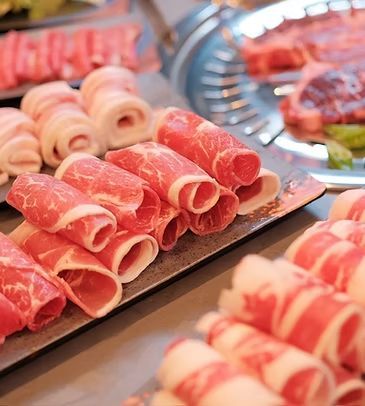
Korean BBQ at 88 Korean BBQ & Sushi centers on grills built into each table, where guests cook marinated and seasoned meats throughout the meal. The format shifts control from the kitchen to the diner, letting you manage doneness, pacing, and portion timing. Tables in Tyler see frequent orders of ribeye, pork belly, tri-tip, and salt rib, which arrive raw and ready for the grill, turning the meal into an active process rather than a passive wait for plated food.
The cooking happens in stages, with guests adding meat to the grill as space opens and flipping pieces based on visual cues like browning edges and rendered fat. This requires attention but also creates a rhythm where conversation and cooking alternate naturally. Groups often split responsibilities—some members monitor the grill while others prepare wraps, dip sauces, or handle side dishes, which makes the meal collaborative rather than solitary.
Schedule a visit to try the table-cooking format with your group during your next dinner out.
Cooking at the table extends the duration of the meal naturally, since food appears in waves rather than all at once. This structure suits gatherings where the goal is to linger and interact, not rush through courses. The grill also allows customization—guests who prefer charred edges can leave cuts on longer, while those avoiding heavy browning can pull pieces earlier.
Once the meat finishes cooking, diners typically wrap slices in lettuce leaves with rice, garlic, sauces, and banchan, which are small vegetable or fermented sides that accompany the meal. The wrapping process slows eating and adds texture variety, turning each bite into a layered combination rather than a single flavor. Groups notice that the hands-on format keeps everyone engaged longer than traditional plated service, where attention drifts once the food is delivered.
The restaurant seats parties of varying sizes, and larger groups benefit from ordering a wider variety of cuts to compare marbling, fat content, and seasoning styles across the grill. Smaller parties can still explore multiple options without waste, since the all-you-can-eat format allows incremental ordering rather than committing to large single portions up front.
Common Questions About Korean BBQ
Guests unfamiliar with table grilling or the meat selection process often ask these questions before visiting.
What cuts of meat are available for grilling at the table?
The menu includes ribeye, pork belly, tri-tip, and salt rib among other selections, giving diners options across beef and pork with varying fat content and seasoning styles.
How do you know when the meat is finished cooking on the grill?
Visual cues like browning on the surface, rendered fat pooling at the edges, and firmness when pressed with tongs indicate doneness—most guests develop a sense for timing after the first few pieces.
Does the restaurant replace grill grates during the meal if they become heavily charred?
Yes, servers monitor grill condition and swap grates as needed to maintain even heat and prevent excessive smoking or sticking, especially during longer meals with multiple rounds of meat.
Can you order Korean BBQ and sushi during the same visit in Tyler?
Absolutely, the all-you-can-eat format allows you to alternate between grilling meats and ordering sushi, so parties with mixed preferences can satisfy everyone without ordering separately.
What should first-time grillers focus on to avoid overcooking?
Start with thinner cuts like pork belly, which cook quickly and show clear visual changes, then move to thicker cuts like ribeye once you understand how the grill heat responds to different meat types.
88 Korean BBQ & Sushi equips each table with the tools and setup needed to grill meat from start to finish, letting Tyler diners control the cooking process and build the meal around their preferences. Stop by to experience the interactive format firsthand.